Last updated January 2026
The Spanish Grand Prix is moving to Madrid, taking over from Barcelona with a brand-new semi-street circuit. This isn’t just a venue swap. Everything from logistics to fan access is being reworked with simplicity and scale in mind.
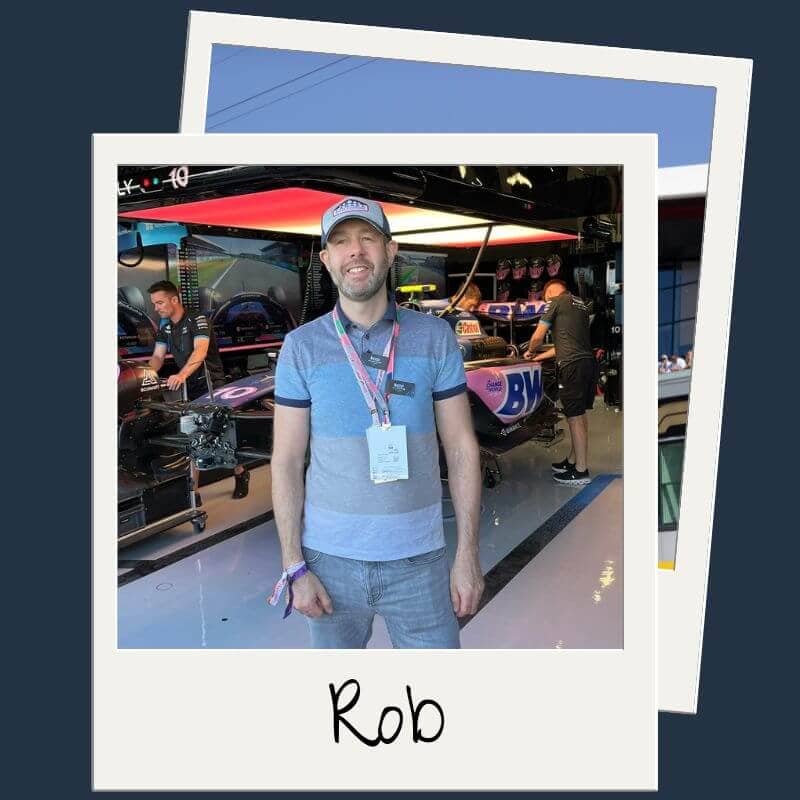
I visited the site, tested the transport, and took notes with race week in mind. I wanted to see what the move actually means for fans. Is it easier? More practical? A better fit for race weekend?
I went to check it out. Here’s what I found.
What to Expect in This Guide
• When is the Madrid Grand Prix and what’s the new layout?
• How easy is it to get to the circuit from the airport or city?
• Where are the best places to stay during race week?
• What will the venue and fan experience look like?
• What does a typical race weekend schedule include?
• What else can fans do in Madrid beyond the track?
Estimated reading time: 8–10 minutes
Big changes are coming to the Spanish Grand Prix. Madrid joins the calendar in 2026, with the race fully moving from Barcelona in 2027.
If you’ve been to the race in Barcelona, you’ll know the routine. I do too. It was the first F1 event I ever went to, back in the 1990s. Unless you’re on a trip with door-to-door transfers, just getting to the circuit could feel like an endurance test. From central Barcelona, you’d take the train to Montmeló, then walk from the station, or try the public shuttle buses.
When Madrid was confirmed, I wanted to see what the move actually means for fans. Is it easier? More practical? A better fit for race weekend? I went to check it out. Here’s what I found.
A new era for the Spanish Grand Prix
Formula 1 rolls into Madrid from 11 to 13 September 2026. The deal runs through 2035, locking in the Spanish Grand Prix here for the long haul.
The new circuit, known as Madring, runs through the IFEMA MADRID complex and the Valdebebas area. Around a third of the track uses existing roads, with the rest purpose-built for racing. It’s designed by Dromo, the group behind recent updates to Zandvoort and Spa.
Early track features include:
- A fast-flowing Valdebebas sector
- A massive banked corner called La Monumental, over half a kilometre long with a steep 24 percent incline
- Two tunnels that run under road infrastructure, which should feel dramatic on both TV and trackside
Getting there: One of the easiest races on the calendar
This is where Madrid really shines.
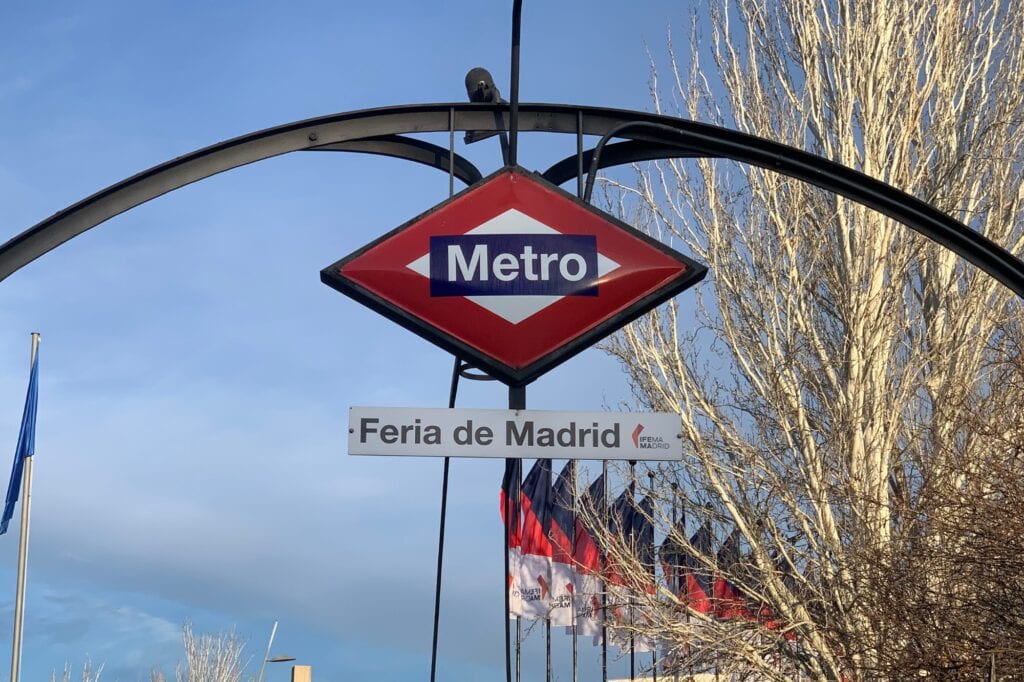
IFEMA is right next to Madrid Barajas Airport, one of Europe’s best-connected hubs. From the terminal, Metro Line 8 takes you directly to Feria de Madrid station, just a 5 to 10 minute ride. The same line also runs to Nuevos Ministerios, with quick links to Gran Vía, Sol, and other central neighbourhoods.
During major events, Madrid usually adds extra trains and buses, and the Formula One weekend should be no different. A tourist metro pass is a smart move. I picked up a 4-day pass for €27, which covered unlimited travel, including trips to the airport and the circuit.
Where to stay: Three options
You can stay near the circuit, in the city centre, or somewhere in between. Each has its own pros and cons, depending on the kind of weekend you’re after.
Option A: Close to the circuit or airport
The Barajas, IFEMA, and Campo de las Naciones areas have plenty of business hotels and global chains.
- Pros: Easy access to the circuit and no need for public transport or taxis
- Cons: Quiet at night, higher prices during race week on par with staying on Yas Island at the Abu Dhabi Grand Prix, not much atmosphere
Option B: Stay central
Gran Vía, Sol, Huertas, Malasaña, Chueca, and La Latina are where Madrid buzzes.
- Pros: Close to nightlife, food, landmarks
- Cons: About 30 to 40 minutes by metro to the circuit
Option C: Financial District (Bernabéu area)
This is where I stayed, near Santiago Bernabéu Stadium and Paseo de la Castellana.
- Pros: Direct metro to IFEMA, just 11 min (4 stops), quieter than the city centre, good balance. With such easy access, fans should have no trouble reaching the circuit and making the most of their Grand Prix experience.
- Cons: Not really a tourist spot
Inside the venue: F1 meets festival vibes
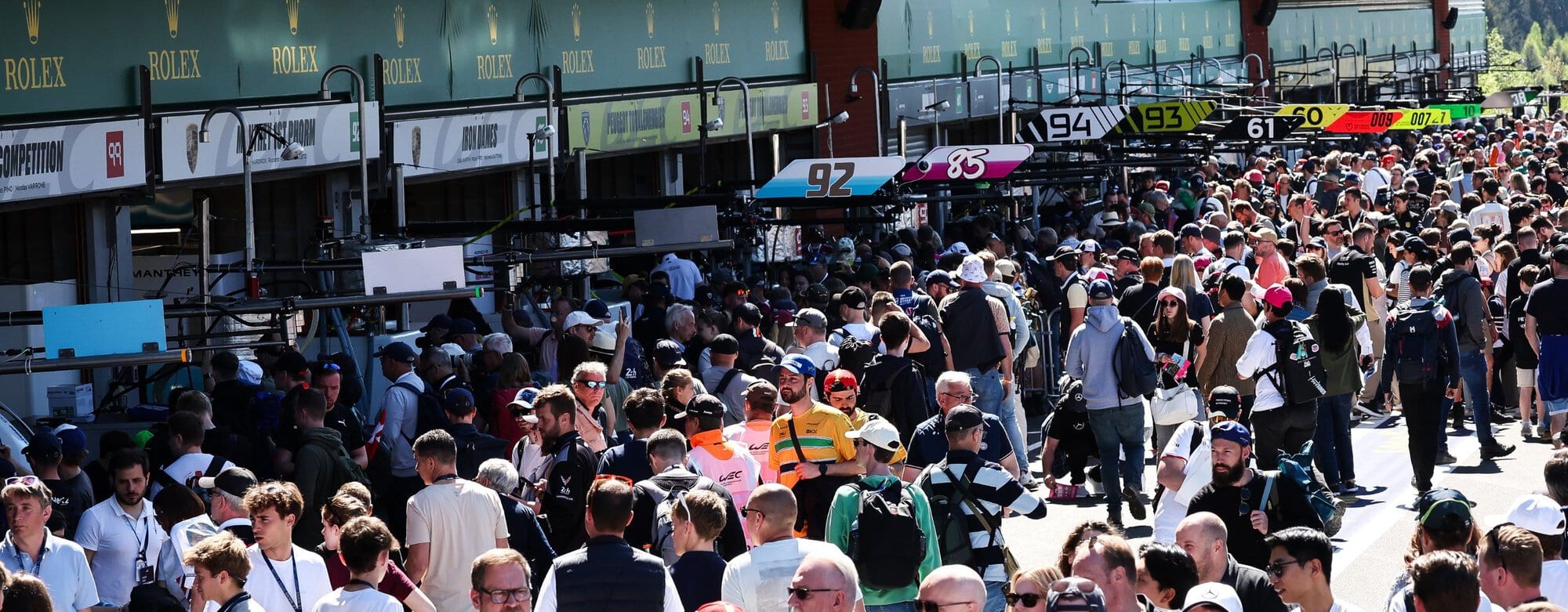
IFEMA isn’t just a race venue. It’s one of Europe’s biggest events spaces, with over 200,000 m² indoors. That scale opens the door to a full weekend experience. Expect indoor fan zones, esports areas, sponsor displays, food halls, bars, and live screens. There’ll be concerts and DJs before and after the racing too.
Most grandstands are uncovered, except for Gold seating on the main straight and some premium spots at La Monumental. Each section will have its own Fan Zone nearby, with food, bars, merch stands, and big screens.
What race weekend might feel like
The 2026 weekend schedule isn’t final yet, but expect the usual European format:
- Friday: F1 practice and support race practice and qualifying
- Saturday: F1 practice and qualifying and support races
- Sunday: Support races and the Grand Prix
Mid-September is usually warm but not peak-heat in Madrid. Rain is quite rare in September.
And then there’s the wildcard. 2026 introduces new power units and chassis rules. Nobody has data for this circuit. That means more uncertainty, especially in early sessions.

Madrid beyond the circuit
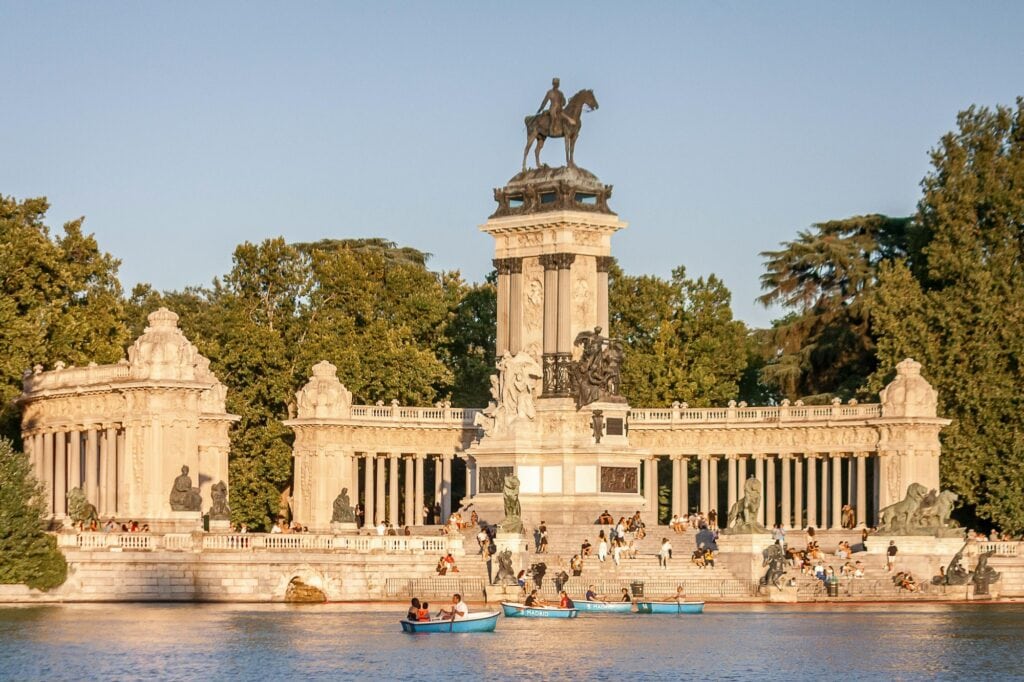
Even with a packed race schedule, there’s plenty to see in the city. Retiro Park is perfect for a slow morning or a stroll before heading to the circuit. Puerta del Sol is a great place to get your bearings. For food and drinks, Malasaña and La Latina are the go-to neighbourhoods.
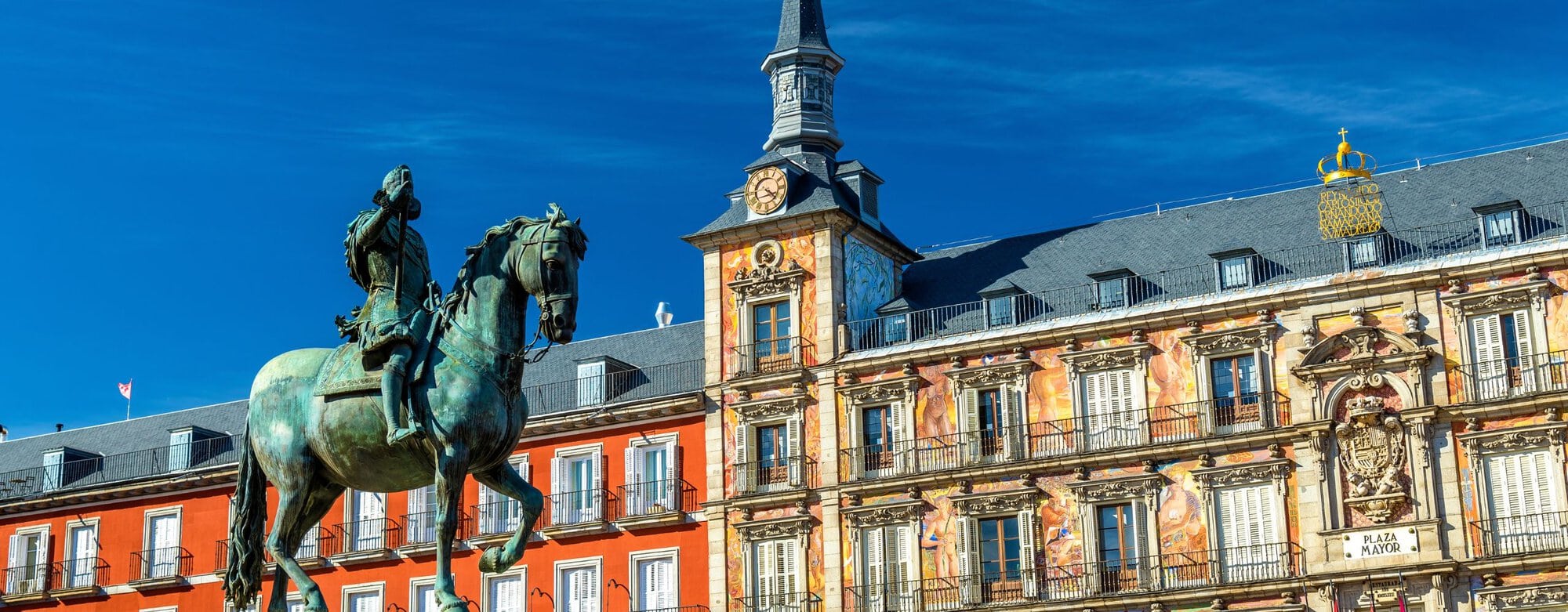
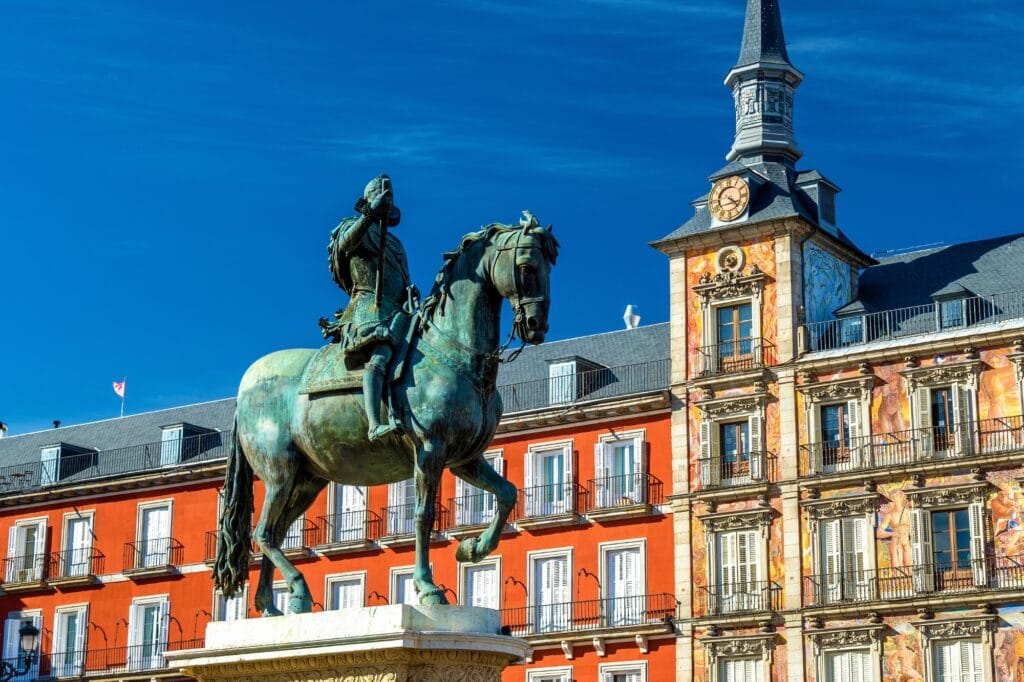
Plaza Mayor is one of Madrid’s most iconic squares and a great place to begin a deeper look at the city’s history. For that, I highly recommend Lexi Walking Tours. It’s one of the most informative and well-paced walking tours I’ve experienced anywhere, blending storytelling and local insight in a way that makes the city’s evolution from hilltop village to European capital easy to follow and genuinely memorable.
So, Is Madrid worth the trip?
If you’re hoping for the charm of an old-school circuit tucked into the countryside, like Spa or Monza, Madrid won’t tick that box. But that’s not what it’s trying to be.
What it offers is something different and genuinely valuable:
- A fresh, city-based track with no past data or records
- Seamless logistics, from airport arrival to race day access
- A weekend that mixes racing with food, music, and full day entertainment
- Warm, reliable weather in mid September
Then Madrid 2026 is shaping up as one of the most exciting additions to the calendar.
And for international fans, it’s an easy race to build a European trip around.