Old-school racing on F1’s rollercoaster in the forest
Sunday December 6 2026
Last updated July 2026
There’s something about Spa-Francorchamps that sticks with you. Maybe it’s the history. Maybe it’s the setting. From sweeping corners to wild weather and a crowd that knows its racing, the Belgian Grand Prix has everything that makes Formula 1 great. It’s one of the sport’s purest challenges—here’s what makes it such a fan favourite.
What to Expect in This Guide
• Why the Belgian Grand Prix should be on your F1 bucket list • Where is the circuit for the Belgian Grand Prix? • How many days do you need for the Belgian Grand Prix? • Belgian Grand Prix weekend schedule • Best places to stay for the Belgian Grand Prix • Best grandstands at Spa for the Belgian Grand Prix • Where to go after the Belgian Grand Prix • Best booking resources for F1 trips • Money-saving tips for the Belgian Grand Prix • Frequently asked questions
Estimated reading time: 7-9 minutes
Why the Belgium Grand Prix should be on your F1 bucket list
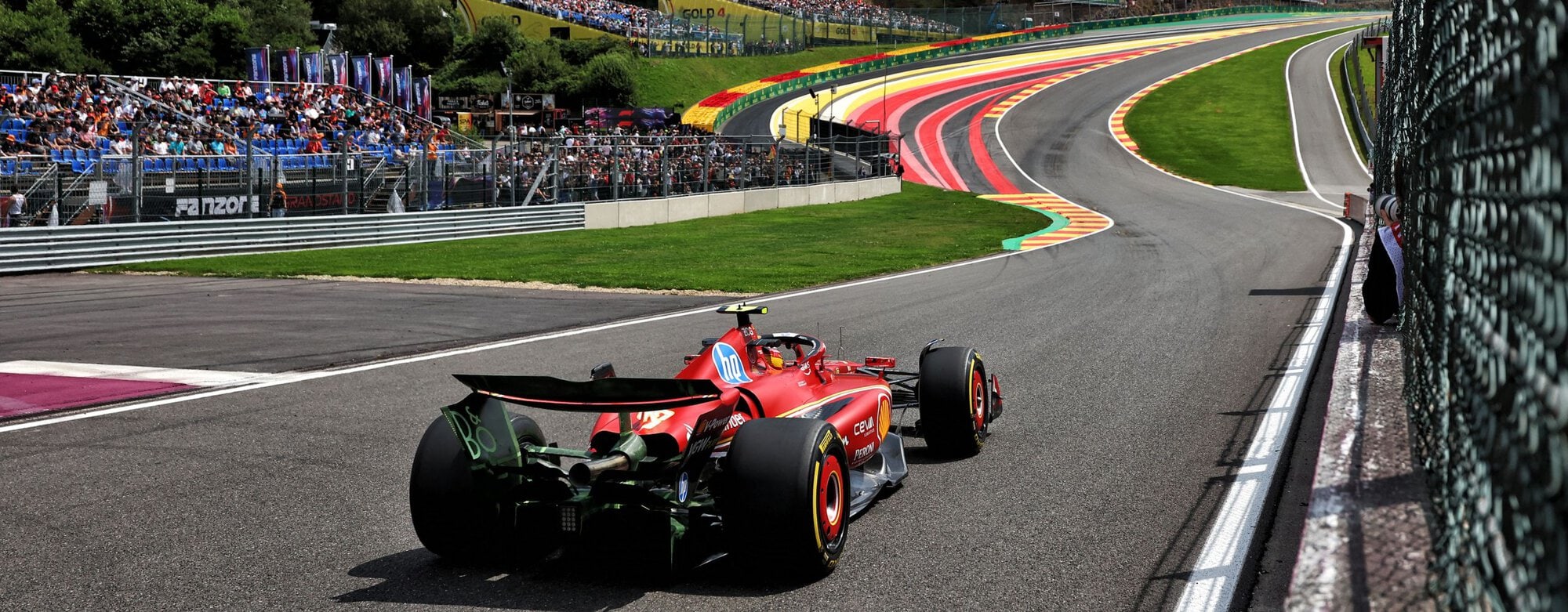
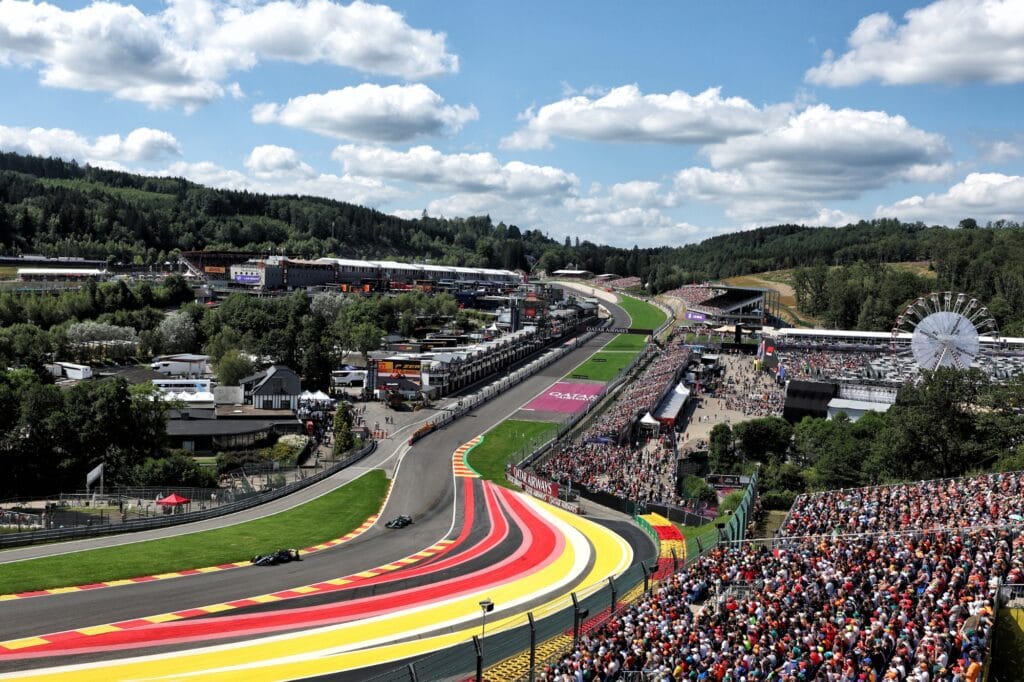
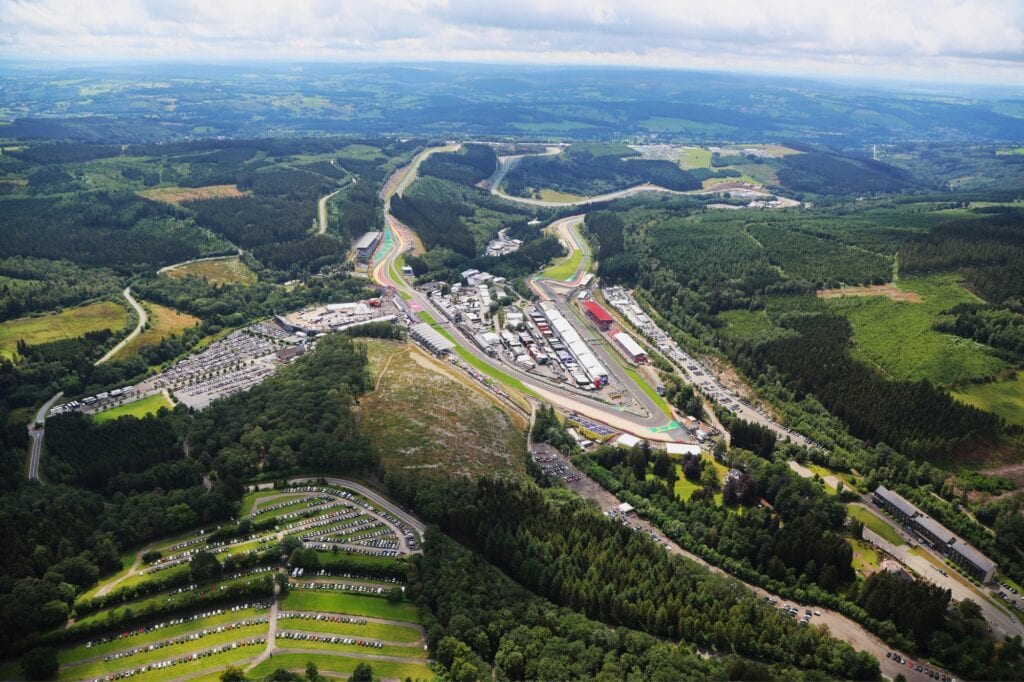
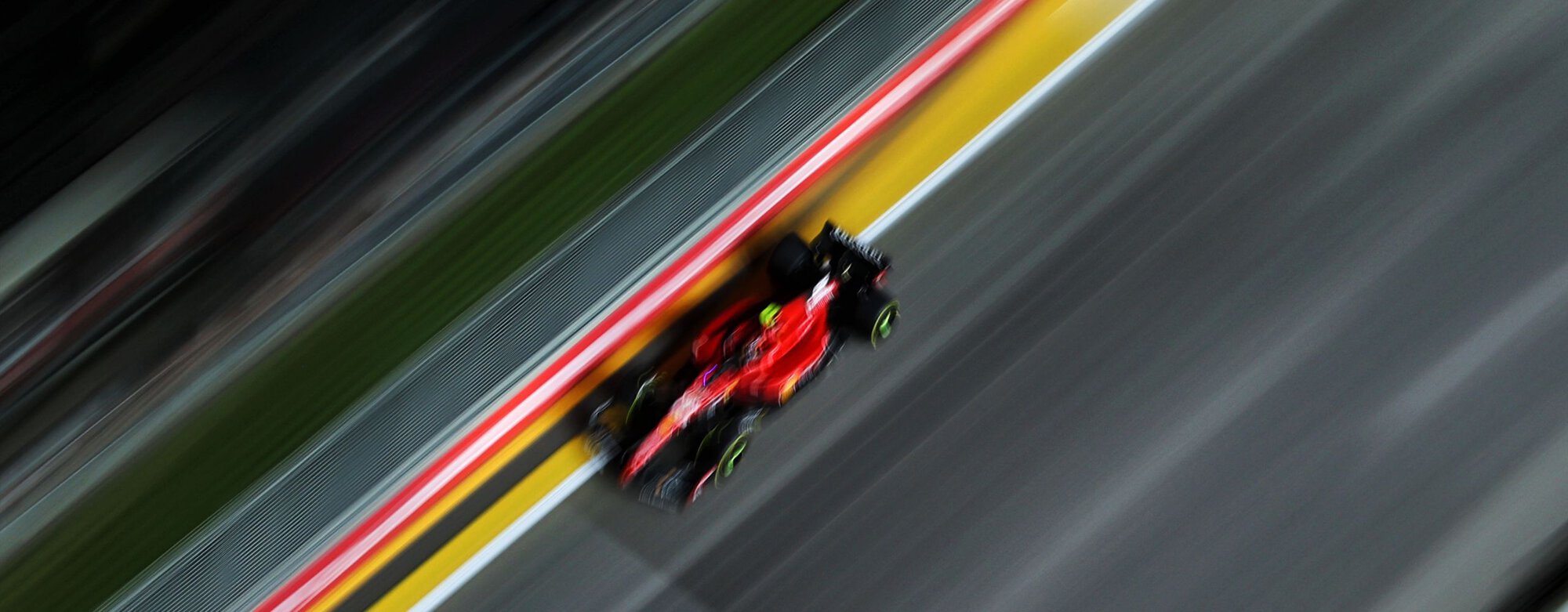
Spa is the longest track on the Formula 1 calendar. The lap mixes long straights with sweeping high-speed corners and significant elevation changes. Eau Rouge and Raidillon, the uphill left-right flick taken close to flat-out, is the most talked-about section, but the lap has more than that. Pouhon is a long downhill double-left taken at high speed. Blanchimont is a fast left into the Bus Stop chicane, one of the best overtaking spots on the track. La Source at Turn 1 is tight, and the first lap usually produces drama there.
Eau Rouge
Drivers love this place. Max Verstappen calls Spa “my favourite track on the calendar.” Fernando Alonso has called it “the best circuit in the world.”
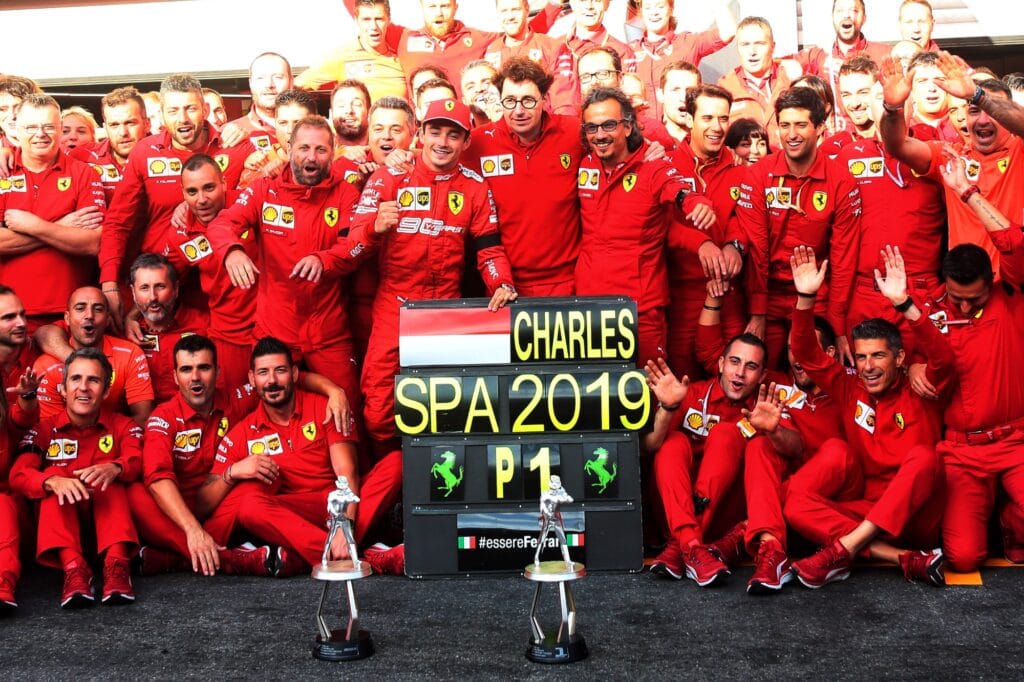
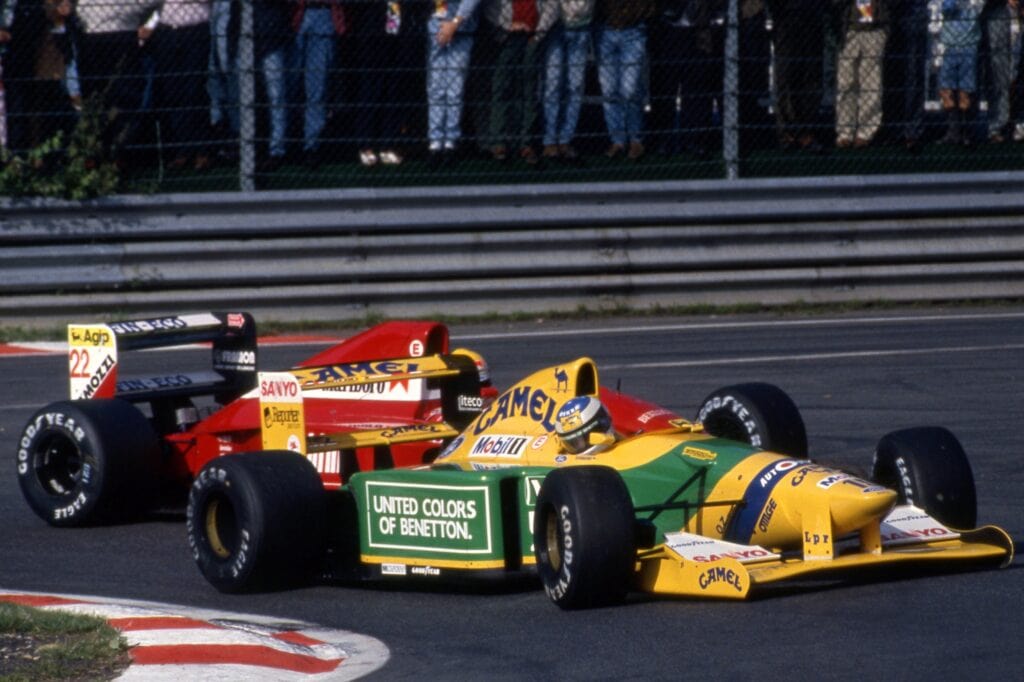
Spa has been part of the Formula 1 World Championship since the championship began in 1950. It’s the site of legendary races and first-time wins. Michael Schumacher made his Formula 1 debut at Spa in 1991 and took his first win there a year later. Charles Leclerc scored his first Formula 1 win here in 2019. Bruce McLaren took the McLaren team’s first ever Formula 1 win at Spa in 1968. The circuit has also seen its share of wet-weather chaos, multi-car crashes, and surprise results.
First-lap chaos at La Source
Spa has its own micro-climate. The track is long enough that one part of the circuit can be dry while another is wet. Strategy calls under those conditions can decide a race.
The setting is part of what makes the weekend feel different. Spa is tucked into the Ardennes forest, surrounded by hills, woodland, and small villages. Many fans drive in and camp nearby. Others stay in Liège, Maastricht, Aachen, or in one of the smaller towns dotted around the region.
Leclerc’s first victory and a moment to rememberDebut and first win—Schumacher and Benetton at Spa
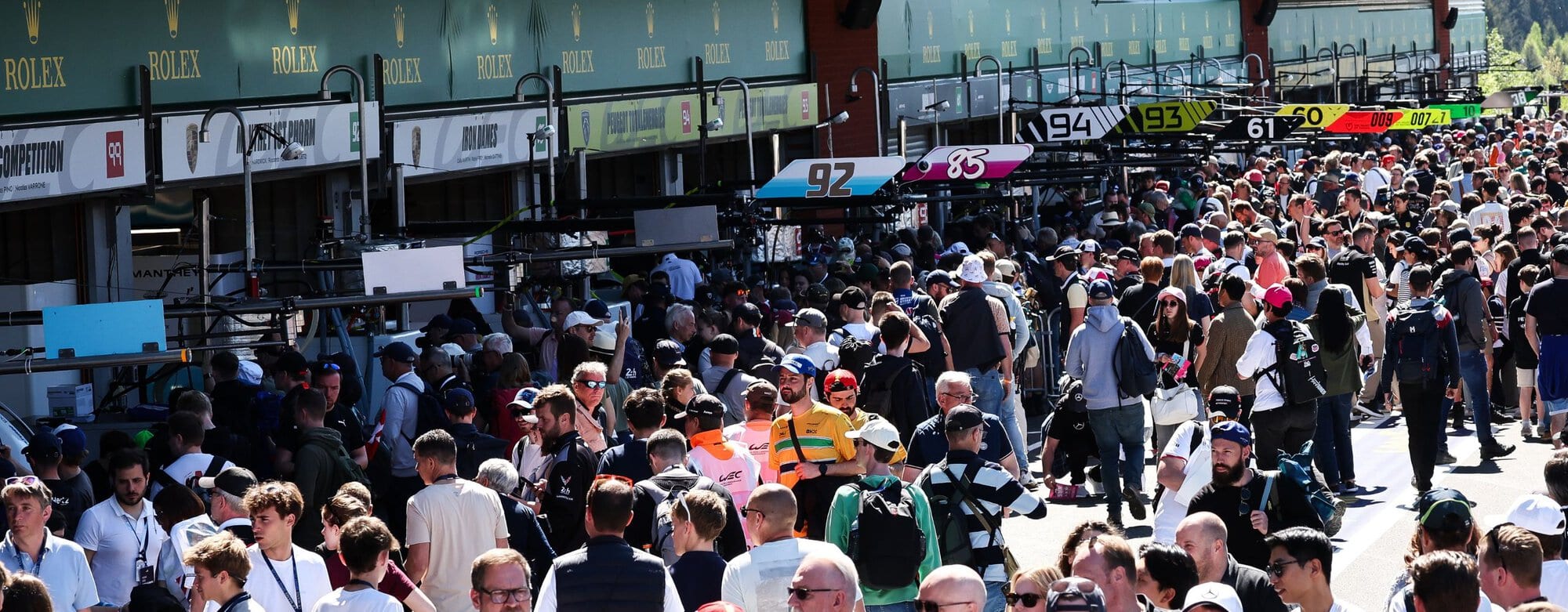
The race draws fans from Belgium, the Netherlands, Germany, and across Europe. People come for the racing and for the sense that this circuit still feels like a proper racing venue. It’s not flashy. It doesn’t need to be.
Where is the circuit for the Belgian Grand Prix?
Circuit de Spa-Francorchamps is in the Ardennes forest in eastern Belgium, around 40 km from Liège and around 130 km from Brussels. It’s the longest circuit on the Formula 1 calendar, with long straights, high-speed sweeping corners, and significant elevation changes.
How to get to Spa-Francorchamps for the Belgian Grand Prix
Spa-Francorchamps is in a remote part of Belgium. Most fans reach it by flying into a nearby city, then continuing by car, train, or bus. The closest major airports are Brussels in Belgium, Cologne and Düsseldorf in Germany, and Amsterdam and Eindhoven in the Netherlands.
Direct flights to Brussels are common from most European hubs and from a number of cities in North America, the Middle East, and Asia. Cologne, Düsseldorf, Amsterdam, and Eindhoven all have a wide range of direct flights from across Europe and beyond.
The Eurostar from London St Pancras connects in Brussels for direct services to Aachen and Liège. KLM Royal Dutch Airlines also runs a coach service from Amsterdam Airport to Maastricht.
If you’re driving from the UK, the Eurotunnel terminal at Calais is just over four hours from the circuit by road.
For visa-exempt nationals, ETIAS travel authorisation is an entry requirement. Check the official guidance before booking.
How many days do you need for the Belgian Grand Prix at Spa-Francorchamps?
Plan for three full days, Friday to Sunday, to see every Formula 1 session and the support races.
Belgian Grand Prix weekend schedule
A typical Formula 1 weekend runs Friday to Sunday. Friday is practice. Saturday is final practice and qualifying. Sunday is the Grand Prix.
Each year, a handful of Grand Prix follow a sprint format. On a sprint weekend, Friday includes practice and sprint qualifying. Saturday includes the sprint race and Grand Prix qualifying. Sunday is still the Grand Prix. Sprint weekends rotate around the calendar each season, so check the current year’s schedule on F1.com.
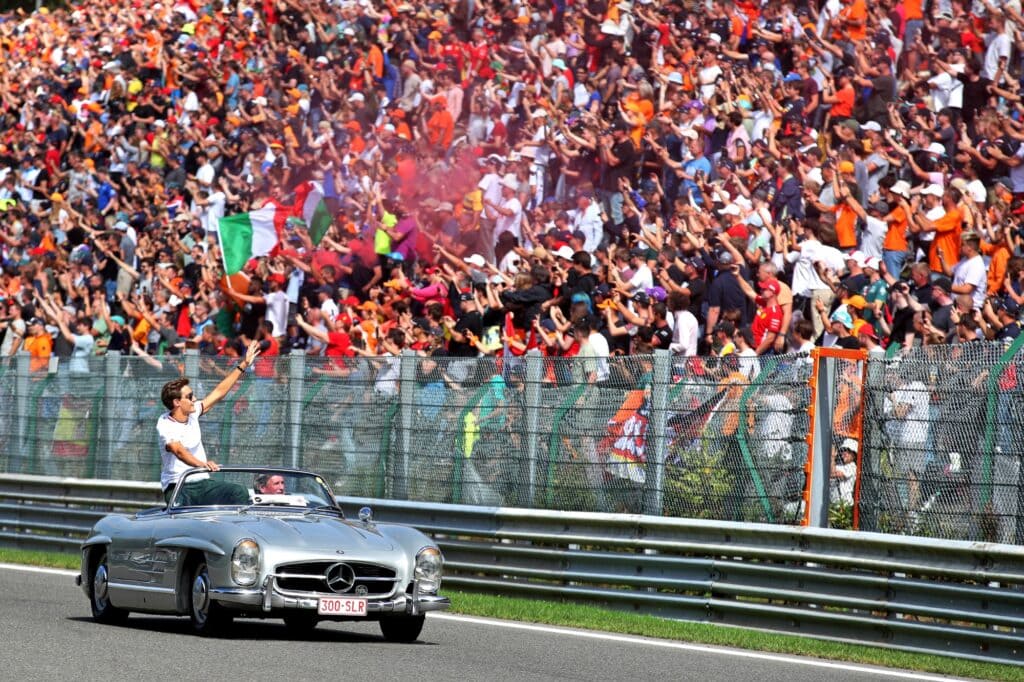
Drivers’ parade
Best places to stay for the Belgian Grand Prix
Spa-Francorchamps is in the Ardennes forest, with limited accommodation in the immediate area. Most fans base themselves in one of the nearby cities, in a smaller town or village within an hour of the circuit, or at one of the campsites at the venue.
The main bases are the town of Spa itself, Liège in Belgium, Maastricht in the Netherlands, and Aachen in Germany.
The town of Spa There are a few hotels in and around the town of Spa, and one hotel at the circuit itself, the Hotel De La Source.
Hotel rooms in this area book up early, often a year or more in advance. The hotel at the circuit fills up first, mostly with teams, F1 personnel, and media, so don’t count on availability there.
Liège Liège » is the largest Belgian city near the circuit and a popular base. It has a selection of hotels covering most budgets. The train from Liège to Verviers is around 30 minutes, which makes Liège a practical choice if you’re not driving.
Maastricht Maastricht » is a short distance over the border in the Netherlands. The rail connection from Maastricht to Verviers requires a change in Aachen, so it’s a less practical base if you’re using public transport.
Aachen Aachen » is over the border in Germany. The train to Verviers takes around 30 minutes, making it a sensible base if you’re using public transport.
Smaller towns and villages If you’re driving, there are hotels, holiday homes, and holiday parks in the smaller towns and villages within an hour of the circuit. These are quieter than the cities and can offer better value, especially for a group sharing a property.
Camping at the circuit Camping is a popular way to stay close to the action at Spa. Several campsites operate around the circuit, and some offer pre-pitched tents so you don’t need to bring your own gear.
The Ardennes weather is unpredictable. Heavy downpours are common, even in summer. Whatever campsite you choose, come prepared for all conditions.
Best grandstands at Spa for the Belgian Grand Prix
Spa-Francorchamps is the longest circuit on the Formula 1 calendar. There are three main overtaking zones: La Source at Turn 1, the Kemmel Straight into Les Combes, and the Bus Stop chicane at the end of the lap.
Grandstands are split into Gold and Silver tiers, with General Admission also available.
The Gold grandstands are the top tier, positioned at the best parts of the track, and most are covered. Gold 1 and Gold 9 are on the start-finish straight. Gold 7 and Gold 8 are at La Source. Gold 2, Gold 3, and Gold 4 are at and around Eau Rouge. Gold 6 looks over the Bus Stop chicane.
The Silver grandstands sit at good points around the lap at lower prices, and a few are now covered. General Admission is the budget option but comes uncovered, and you can end up walking some distance to find a good spot in the forest.
The town of Spa and the Ardennes Stay on a few days near the circuit. The town of Spa is known for its thermal baths. Thermes de Spa, on the hill above the town, is a calm way to wind down after race weekend. The Ardennes around Spa has dozens of walking trails, from village paths to deeper forest routes.
The Spa-Francorchamps museum, in nearby Stavelot Abbey, holds cars, photos, and memorabilia from the circuit’s history.
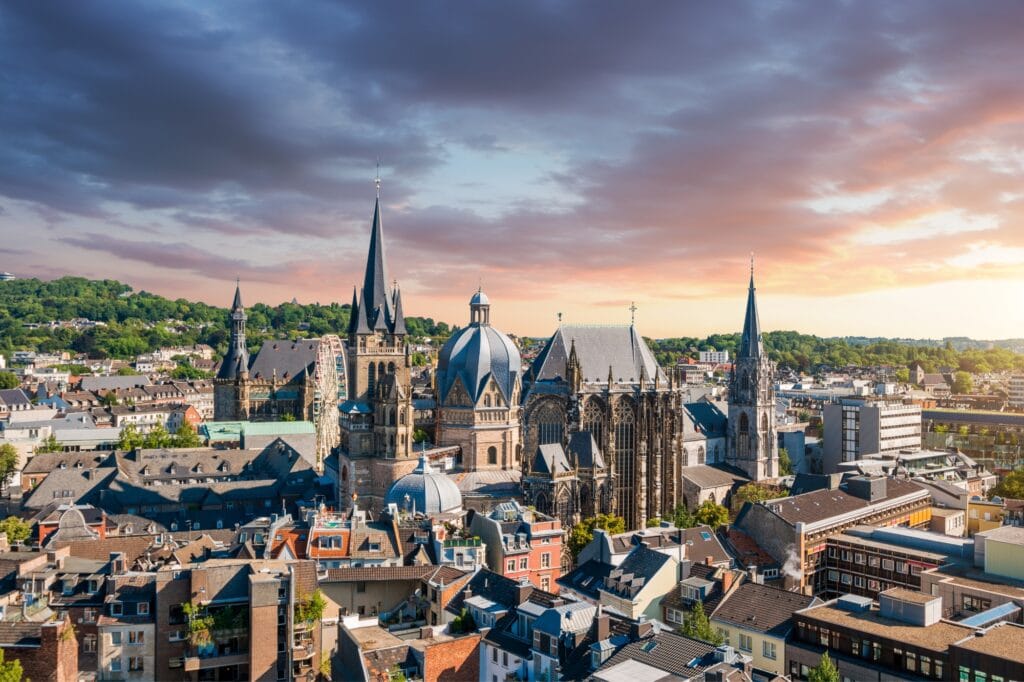
Liège, Maastricht, and Aachen If you stayed in one of the nearby cities, consider extending your visit. Liège has a strong food scene and walks along the river. Maastricht has shopping, cafés, and well-preserved old-town architecture. Aachen has its cathedral and hot springs.
Historic Aachen, just over the German border
Trappist breweries Belgium is known for its beer, and the Ardennes region is home to several Trappist breweries. Chimay and Orval both have monasteries you can visit nearby.
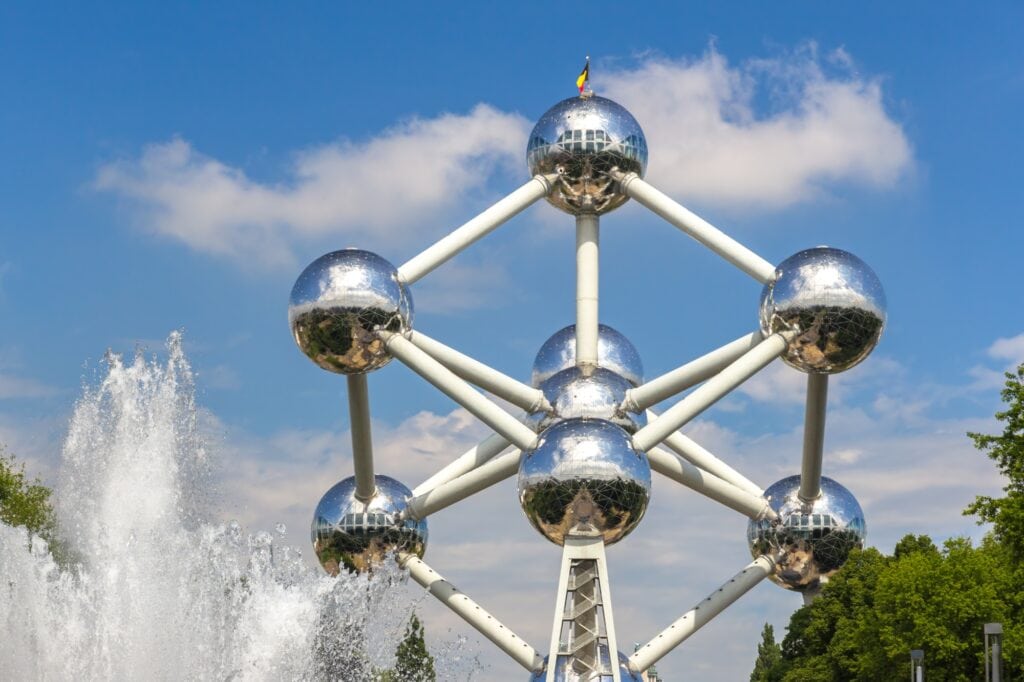
Brussels If you’re flying through Brussels, it’s worth a night either side of the trip. Grand Place, the Atomium, and the city’s café culture are all within easy reach.
Brussels’ Atomium
Best booking resources for F1 trips
Planning the trip is the fun part for some and a chore for others.
If you would rather not handle all the details yourself, we can do that for you.
Prefer to do it all yourself? You’re welcome to take everything you’ve learned here and book your own trip. These are good places to start. They’re reliable, easy to use, and usually the best value.
Tickets Grand Prix Tickets is the agency I’ve trusted for years. They’ve always been reliable, easy to deal with, and quick to help if something comes up.
Hotels ZenHotels is one of my go-to sites for hotel bookings. It pulls prices from many smaller sites you might not know about, which makes it good for finding deals. I also check Expedia and Booking.com when I want more options.
Excursions Viator is full of walking tours, attraction tickets, and local experiences. It’s especially handy if you’re heading to a new Grand Prix city. It’s a good place to find extras to add to your trip.
Money-saving tips for the Belgian Grand Prix
Take the train or KLM’s coach combination If you’re on a budget, the train and KLM coach options are worth considering. Both deliver you into the centre of town. The Eurostar from London St Pancras connects in Brussels onto direct services to Aachen or Liège. KLM’s coach from Amsterdam Airport runs to Maastricht. From any of these three cities, you can reach the circuit by shuttle bus or by train and bus via Verviers.
Flying into Brussels, Düsseldorf, or Cologne adds an airport transfer; the train and coach options skip that.
Look at smaller towns and villages within an hour of the circuit If you’re driving, the towns and villages around Spa often offer better value than the bigger cities. Holiday homes and holiday parks can also work well for a group sharing a property.
Look at the Silver grandstands Silver grandstands sit at good points around the lap and cost less than the Gold tier. A few are now covered, which is worth checking when you book given the weather at Spa.
Use the train and bus combination from Liège or Aachen Both cities are around 30 minutes by train from Verviers Central, where a local bus connects to the circuit. It’s the cheapest option and avoids the parking exit delays at the end of the race.
FAQ's
Circuit de Spa-Francorchamps is located in the Ardennes in eastern Belgium, around 40 km from Liège and 130 km from Brussels.
Most Formula 1 fans travel to the circuit by car or use shuttle buses from Liège, Aachen, or Maastricht. Another option is to travel by train to Verviers-Central and connect to the circuit by local bus.
Plan to spend three full days at the Belgian Grand Prix, from Friday to Sunday. This allows you to watch every Formula 1 session as well as the main support races.
Popular places to stay include Spa, Liège, Maastricht, and Aachen. Many fans also book accommodation in smaller towns and villages within an hour of the circuit or stay at one of the official campsites near the venue.
The Gold grandstands are the top-tier seating option at Spa-Francorchamps, and many are covered—an important advantage given Spa's unpredictable weather. Popular choices include Gold 3 and Gold 4 near Eau Rouge, as well as Gold 1 and Gold 9 around the start-finish straight.
Rob is an experienced independent travel consultant and travel content creator.
His love for Formula One started in the 1990s, watching the greats like Ayrton Senna, Michael Schumacher, and Mika Hakkinen. He traveled to his first Grand Prix in 1999. It was the Spanish Grand Prix in Barcelona. Since then, Rob has traveled to over 2/3 of Grand Prix’ on the current Formula One calendar.
Fast forward to today, and Rob has turned his passion into a career, dedicating his time to helping others plan their dream Formula One trips.
His favourite Grand Prix destinations are Austria and Austin, and when he’s not attending a Formula One Grand Prix, you’ll find him closer to home, walking or cycling in the Peak District National Park.
Featured Articles
Find Your Next Grand Prix Adventure!
Excited about the next Formula One season? If you'd like to attend a Grand Prix, you're in for a treat. Discover where Formula 1 could take you.
5 Reasons Why the Singapore Grand Prix Should Be on Your F1 Bucket List
Few races capture the magic of Formula 1 quite like the Singapore Grand Prix. With its night-time setting, unbeatable city-center location, and thrilling street racing, here are five reasons why it’s an experience every F1 fan should have.
What’s it like to experience Formula 1 in the heart of motorsport’s most glamorous setting? We asked Marc Priestley, former McLaren race mechanic and pit lane insider, to share his take on the Monaco Grand Prix.
Choosing the right vantage point can change everything about a race weekend. Whether you want sweeping views, non-stop action, or a bit of both, these spots guarantee you won't miss a thing.
Choosing the right vantage point can change everything about a race weekend. Whether you want sweeping views, non-stop action, or a bit of both, these spots guarantee you won't miss a thing.
You've likely come across Champions Club when looking at Grand Prix tickets. But what do you actually get? This guide covers everything included, from the paddock tour to the grid walk, so you can decide if it's right for your race weekend.